- News
- entertainment
- hindi
- music
- Pop goes the Weasel
Trending
This story is from February 20, 2012
Pop goes the Weasel
Many 20th and 21st century celebrities have become icons represented through various ways in pop culture. We look at the trend
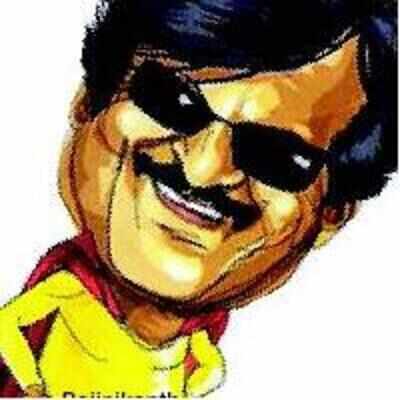
Take a stroll down any high street and you get to see people dressed in branded clothes, alright. But, what is also equally ‘hot’ for these youngsters is wearing their attitude through sporting a celebrity’s face, who they deem as cool enough be accessorized.

Not too long ago, writer Salman Rushdie had said, “Gandhi is up for grabs. He has become abstract, historical, postmodern, no longer a man in and of his time but a freeloading concept, a part of the available stock of cultural symbols, an image that can be borrowed, used, distorted, reinvented to fit many different purposes, and to the devil with historicity or truth.”
And popular culture has made icons of not just Gandhi, like Rushdie has pointed out, but of many more. While most of us seem to own their memorabilia or merchandise, proudly wearing it on our bags and shirts in an attempt to ‘fit in’, the question to be asked is how many in our generation believe in the faces of that we’re endorsing.
Is Che Guevara just another cool guy or does one know about his travails through South America? Funnily, while most of us seem to be endorsing popular culture, the term exactly wasn’t flattering when it was coined. In 19th century, the term was meant to refer to the ‘cultured-ness’ of the lower classes. Over years, it has also developed into a culture that was ‘leftover’. Today, of course, pop culture is all about going with the flow and idolizing the most popular symbol.
After Che Guevara, Jim Morrison, Jimi Hendrix, Gandhi and Marilyn Monroe, the latest pin-up boy is Anna Hazare. Though, for most, he is ‘that anti-corruption guy’. Anjana Damodharan, a copywriter, says, “No one knows what or who they are supporting. They simply sport clothes to fit in.”
For most, like Anjana points out, it is about making a fashion statement rather than taking a stand. Areshdeep Singh, an MBA graduate, thinks that pop culture has, in many cases, tarnished our view of our cultural heroes. “This is done by highlighting and bringing out only those aspects that bear promotional/marketing value to them. In a way, it distorts history and its facts,” he says.
While some may think it is distorting facts, others believe that it takes all kinds to make a generation. Designer Arvind Prakash says, “It is not right to generalize a generation. We do know our facts. When we believe in something or are fascinated by a person, we do read up on them.” Dr Innasimuthu Sebastian, a Ph.D holder in communication and culture from Germany states that media, of course, plays a pivotal role in changing the opinions as well as the face of a single element.
“Youngsters grow up in search of someone who they can look up to – be it through rebellion or pride. And that changes with time, with people and with situations. Corruption is the one dominating problem India faces and the youngsters have found an inner solution just looking up to someone like that,” says Dr Innasimuthu.
Brindaa Lakshmi a social media manager says that sporting the t-shirt is both good and bad. “The good part is that it has made serious leaders more popularly accepted and known. The common man can recognize him. But the flip side people don’t know what these heroes did. A Guevara or a Gandhi is no different from a Britney Spears on a t-shirt,” concludes Brindaa.
End of Article
FOLLOW US ON SOCIAL MEDIA






Photostories
entertainment videos
Featured In Movies

Popular Categories
Entertainment NewsBollywood NewsTollywood NewsKollywood NewsMollywood NewsMovie ReviewsLatest Hindi MoviesLatest Tamil MoviesMX PlayerParenting TipsHome RemediesWeight LossBeauty TipsParenting TipsHindi VideosHindi Video SongsBhojpuri Music VideosLatest Telugu MoviesBhojpuri Music VideoHindi TV News
Trending in Entertainment
Latest MoviesBollywood MoviesHollywood MoviesTamil Movies 2024Telugu Movies 2024Malayalam Movies 2024Kannada Movies 2024Marathi Movies 2024Bengali Movies 2024Top Rated Movies 2024Best Hindi MoviesBest English MoviesBest Telugu MoviesBest Tamil MoviesBest Malayalam MoviesBest Kannada MoviesBest Bengali MoviesUpcoming Hindi MoviesBest Movies Of All TimeBest Hindi Movies of All Time
Trending in Etimes
Horoscope TodayNumerology Predictions TodayAustria ElectionJoe BidenKamala HarrisPopulated Indian CitiesAlcohol Cancer RiskIsrael Beirut WarSunita WilliamsIsrael Hezbollah WarNepal FloodBarbra StreisandSnoring Prevention TipsDonald TrumpMagnesium DeficiencyRelationship TipsLake Michigan DiscoveryElon MuskEkadashi in October 2024
Trending in TV
Trending in Lifestyle
Trending in Regional
Movie Reviews
Binny And Family ReviewLove, Sitara ReviewWill & Harper ReviewWolfs ReviewYudhra ReviewJo Tera Hai Woh Mera Hai ReviewKahan Shuru Kahan Khatam ReviewHis Three Daughters ReviewNever Let Go ReviewDancing Village: The Curse Begins ReviewTransformers One ReviewFirst Love ReviewBerlin ReviewThe Buckingham Murders Review
Upcoming Hindi Movies
Upcoming Regional Movies
Latest News
Zodiac Signs as Romantic Movie CouplesJapanese artist’s tribute to Indian classical dance formAnanya Panday unveils her Amol Palekar-inspired look in quirky BTS PICS from 'CTRL’Sanjay Dutt celebrates 'Gandhigiri', shares a scene from 'Lage Raho Munna Bhai'Women's T20 World Cup 2024: Teams, format, venues, defending champions and more FAQs answeredGovinda's bullet injury: Mumbai police not convinced with actor's version but rule out foul playGovt proposes to bring motorcycles under ‘contract carriage’ by amending MV ActHaircuts and colours to try out this PujoTriptii Dimri denies skipping the Jaipur event after allegations of charging an appearance feeMaharashtra assembly polls: Deputy CM Ajit Pawar meets Union home minster Amit Shah amid Mahayuti tensions over NCP, seat-sharingWatch: Orry channels Aishwarya Rai in a hilarious tribute to Shah Rukh Khan and Amitabh Bachchan starrer 'Mohabbatein'NFL insider reveals Raiders’ asking price for star wide receiver Davante Adams amid trade speculationAnanya Panday on being called the upcoming Alia Bhatt: I can't touch what she has doneFormer WWE Champion Jeff Hardy talks about “addiction struggles”'Scam marathon' under JMM-Congress-RJD rule 'biggest obstacle' to Jharkhand's development: PM ModiWhy you must run in the morning on an empty stomachManipur CM Biren Sing bats for political talks to resolve crisis in stateWHO chief praises PM Modi on 10th anivarsary of Swachh Bharat mission
Other Group Sites -
ETimes is an Entertainment, TV & Lifestyle industrys promotional website and carries advertorials and native advertising.